June 19, 2025
Mercede Bryce Morgan
BA Film and Television Production '16
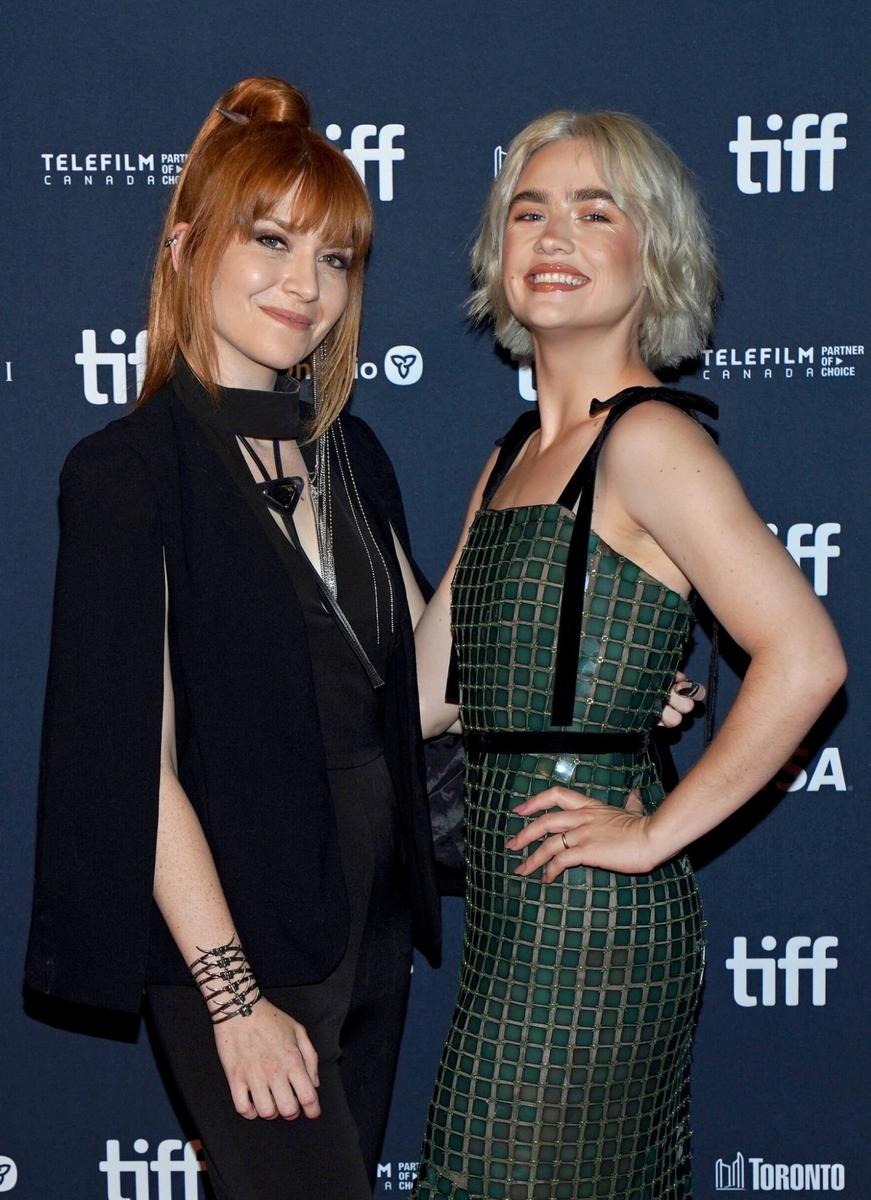
 Mercedes Bryce Morgan '16 is a queer, mixed Latinx director currently living in Los Angeles. She is a TIFF feature film director and her first film FIXATION, which shot during the pandemic, world premiered at TIFF to great reviews:
“Fixation is a deep and disturbing dive down the rabbit hole."
- Film Inquiry
"Morgan's attention to detail is exquisite."
- Film Stage
"One of 2022's Most Intense Horror Films | TIFF"
- ComingSoon.Net
Her most recent movie, BONE LAKE, which is getting theatrical distribution with Bleecker Street in October, has a 95% Rotten Tomatoes score and also received great reviews:
“With twists and turns, Bone Lake makes a strong claim to be one of the best thrillers of 2024.”
-Sunshine State Cineplex
-RogerEbert.com
Erotic thriller Goes for the Jugular - Bloody Disgusting
Collectively, her work has garnered over 1.5 billion views. With 12 years of full-time experience directing narrative films, commercials, digital episodics, and music videos, her specialties include large-scale set pieces, genre work, action, and VFX pieces, all with a tone of dramedy. She has directed numerous high-profile actors such as Tiffany Haddish, Idina Menzel, Miranda Cosgrove, Hayley Kiyoko, and Billy Porter. Morgan's client roster includes MGM, Facebook Watch, Snapchat, Apple Music, Disney, and Project Greenlight. Her narrative music video Happier (Bastille and Marshmello) was nominated for a VMA in 2019 and was #1 trending on YouTube the day of its release. Always pushing the boundaries of narrative, Mercedes has a specialty in interactive content and won the Caucus Award for "Best New Media" in 2015 for weaving together coding and filmmaking. After graduating from USC School of Cinematic Arts in the production track, Mercedes gained representation at UTA for her digital episodic work that premiered at San Diego's Comic-Con. After her first movie premiered at TIFF in 2022, she went straight into her second movie, Spoonful of Sugar, which can be found online at AMC's Shudder. She has previous shadowing experience with Sam Catlin, Michael Slovis and Kevin Hooks on AMC’s “Preacher” and most recently with Geeta Patel on HBO's new Green Lanterns series through the WB shadowing program.
What sparked your interest in filmmaking?
MBM: I’ve loved movies for as long as I can remember. I grew up in a very small town—in the middle of nowhere, really—so watching films became my main source of joy. I made it a habit to watch a new movie every single day, and in high school, I went through the entire IMDb Top 250 list. That experience really sparked my passion, and it just grew from there.
Was attending SCA always a part of the plan?
MBM: Yeah, it was. When I was 16, I went to the USC Summer High School Program, and after doing that, I knew it was my dream to go to USC. I realized I’d have to work really, really hard to get in. Once I did, it was incredible; I met so many people I really connected with, and I still work with a lot of them today. In fact, some of them even worked on the movie I have coming out in theaters. It’s kind of been this full-circle moment that’s shaped my whole journey.
Were there any classes, professors, or moments during your time at SCA that were particularly impactful?
MBM: Yeah, for sure. I think the classes that really prepared me to work full-time in the industry after graduation were the most helpful. For example, I took a music video and commercial class, which ended up being super valuable. I actually started out directing music videos and commercials, and that work has allowed me to financially support myself while continuing to make feature films. That class really set the foundation for that path. Also, Robert Brown’s production planning class was incredibly helpful. I started out producing, and that’s how I was able to fund my short films before transitioning into full-time directing—about a year and a half after graduating.
Tell us a bit more about your experience directing music videos? Is there a favorite project you’ve worked on?
MBM: I directed the Happier music video for Marshmello, and what was really cool about that experience is that it got nominated for a VMA and now has over a billion views. It was the number one trending video on YouTube at the time. One of the best parts was getting to work with Miranda Cosgrove, who also went to USC at the same time as I did. The whole thing felt like making a 3 ½ minute narrative short film, but one that a huge number of people actually saw. That project, along with a few other narrative pieces I’d done, really helped launch me into my first feature. It gave me the confidence and portfolio to say, 'Okay, great! I'm ready for this.'
Did you get to explore the music and recording side of the industry, outside of traditional filmmaking? What was that experience like for you, and how does it compare to working on features?
MBM: I’d say I’ve actually been more involved on the film side than the music side. Even though I really enjoy working in music, my true passion has always been narrative filmmaking. I still get people telling me things like, 'Oh, my niece and nephew saw Happier!', which is always really fun to hear. But the reality is, the music industry just doesn’t invest in music videos the way it used to, which is a big part of why I’ve shifted my focus entirely to narrative work.
Congratulations on your previous works Bone Lake, Fixation, and Spoonful of Sugar premiering at TIFF and Fantastic Fest respectively. What was that experience like, and how has the reception of those films impacted your upcoming works?
MBM: Definitely! My first movie, Fixation, premiered at TIFF, which was such an incredible experience. It really opened doors for me and gave me the opportunity to pitch on a number of exciting projects. My second film was actually a smaller one, but it was originally meant to be my debut. The release order shifted because of COVID. That film is now available to stream on Shudder. My third movie, Bone Lake, is set to hit theaters this October, which is super exciting. It’ll be my first theatrical release, so it’s a really special moment for me.
Is there a specific genre within narrative features that you find yourself gravitating toward? Your work spans a pretty wide range, so I'm curious, what draws you in the most?
MBM: Totally. I tend to be drawn to stories with a heightened, elevated quality. So far, I’ve mostly worked in horror and thrillers, but that’s why I’m really excited about my next film; it’s surrealist, which means it still has that intense, heightened feel, but with a fresh twist.
Are there specific characters or stories you find yourself drawn to? Do they often come from personal experience? And do you enjoy experimenting with different styles to bring those characters to life in unique ways?
MBM: For all the features I’ve worked on, I’ve collaborated with different writers. Sometimes we develop the story together, making it a shared experience, while other times I focus on working with the writer to bring a diverse range of characters to life as real, relatable humans. I often draw from my own experiences or from the experiences of women around me, especially since I’ve had all female protagonists so far. Each character has their own unique traumas and stories, so it’s really about blending insights from a variety of different people to create authentic, nuanced characters.
Are there any challenges or obstacles you face while directing, and how do you overcome them?
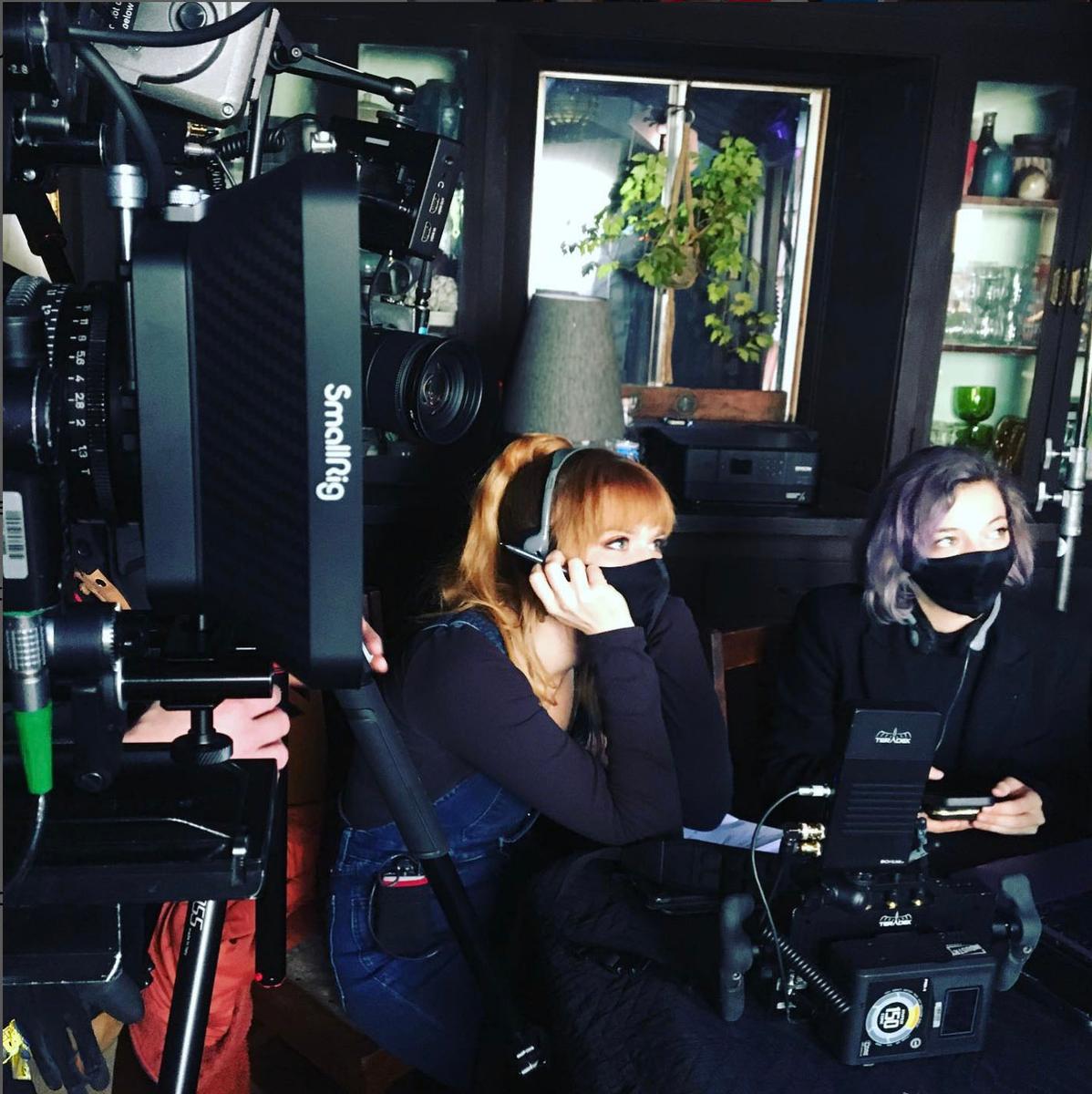
MBM: That’s a big question. I think every project I’ve worked on has brought its own unique challenges. My first movie was completely indie, which is very different from the studio projects I’ve worked on since. With indie films, the challenge is often how to stretch a limited budget to make the final product look like it cost three times as much. Regardless of the budget, though, one constant challenge as a director is managing the daily shoot and keeping everything on track. My approach is to be as organized and prepared as possible so we can maximize every moment on set.
What usually sparks your creativity? And do you feel that being a Latinx woman influences the way you approach your work, or do you try to keep your identity separate from your creative process?
MBM: No, I definitely try to bring that perspective into my work. For example, in my upcoming movie Bone Lake, we have a female protagonist—a character trait that wasn’t originally in the script when it was given to me. We worked to make her feel more like a real person. One detail we added is that she fakes her orgasms, which is something many women experience and that affects her relationship. We wanted to introduce this early on so the audience could see how it plays out throughout the story. I draw a lot of my inspiration from talking to and listening to people. One of my favorite things I’ve done over the past ten years is what I call my 'questions of life.' At parties, when conversations about the weather bored me, I started asking thought-provoking questions to better understand the human condition. Some of my favorites include, 'Would you have sex with your clone?' or 'How would you rate your childhood on a scale of one to ten?' I’ve taken these human experiences from talking to all kinds of people and try to weave them into my films.
What advice would you give aspiring filmmakers looking to break into the industry?
MBM: I’d tell them something that might sound cliché, but it’s true: always keep making things. When I was at USC, the curriculum shifted, and because of that, we actually made fewer short films than previous classes, though that might have changed again since. What was really wonderful for me was having such a supportive, yet competitively creative cohort. Everyone was making short films on the weekends outside of class. So my advice is this: don’t just do what people tell you to do, constantly create. People want to hire those who are really good at something specific. Even though the industry is tough, there’s always demand for talent, so you have to work harder and put yourself out there more than anyone else around you. Another important thing I’d say is to always have multiple projects going at once. For example, my second movie was supposed to be my first, but the order shifted. A common question filmmakers face is how to get your second, third, and subsequent projects off the ground after your debut. For me, the key has been to have the next project fully prepared before my current one even releases. That way, there’s a continuous flow of work. I’ve been lucky enough to make a movie about every year and a half over the past four years. It’s all about putting out a lot of work, maybe only one out of ten will really stick, but if you keep creating, you’ll keep building momentum.
What are your future goals and aspirations like? What do you hope to do down the line?
MBM: I’d love to get into TV as well. So if anyone reading this newsletter is looking for a feature director who understands how TV works and can collaborate within that system to help bring their vision to life, I’d be very interested! In the meantime, I plan to continue directing my features and balance both areas.
Story by Emily Tutnick